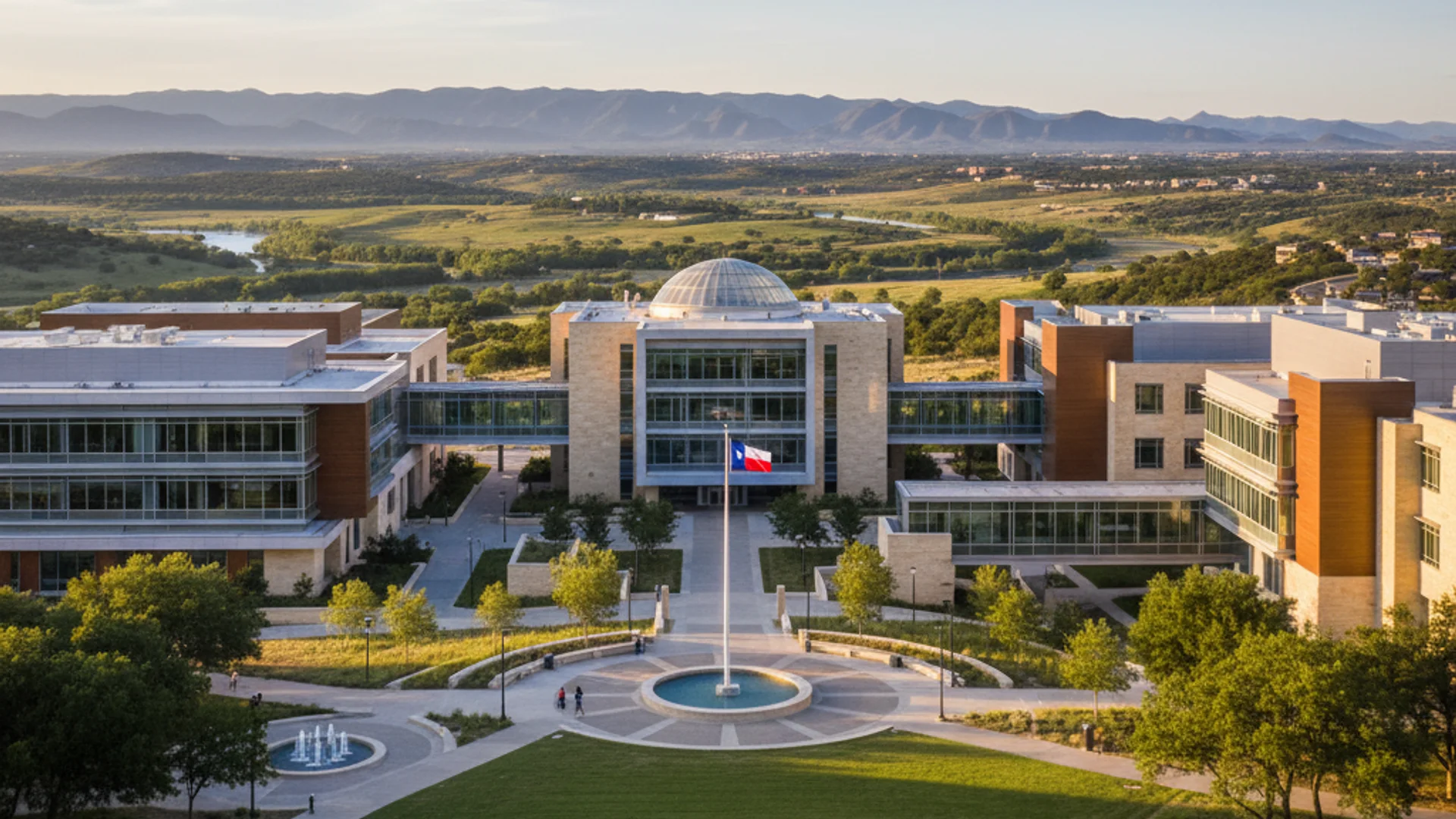
- 1.Guide to software engineering degree admission requirements reveals that most programs require 4 years of high school math including calculus and strong performance in science courses
- 2.Average GPA requirement ranges from 3.0-3.7 for competitive programs, with top-tier schools expecting 3.8+
- 3.SAT scores need to be 1300+ for competitive programs, with top schools expecting 1450+
- 4.Programming experience is increasingly expected, with 73% of programs preferring applicants with coding background
- 5.Strong personal statements should highlight problem-solving skills and technical project experience
68%
Average Admission Rate
4
Required Math Years
1300-1500
Typical SAT Range
45%
Programs Requiring Portfolio
Academic Prerequisites: Core Requirements
Software engineering programs have rigorous academic prerequisites that prepare students for advanced coursework in algorithms, data structures, and system design. The foundation begins with a strong mathematics background, as software engineering relies heavily on mathematical concepts for optimization, cryptography, and computational theory.
Mathematics requirements include four years of high school math, progressing through Algebra I and II, Geometry, and culminating in Pre-Calculus or Calculus. According to ABET accreditation standards, 89% of accredited software engineering programs require calculus as a prerequisite or corequisite. Students who complete AP Calculus AB or BC often have a significant advantage in admissions and early coursework.
- Mathematics: 4 years including Algebra I/II, Geometry, Pre-Calculus/Calculus
- Science: 3-4 years including Physics and Chemistry (Biology acceptable)
- English: 4 years with strong writing and analytical skills
- Social Studies: 3 years including history and government
- Foreign Language: 2-3 years (varies by institution)
Physics is particularly important for software engineering applicants, as it develops logical thinking and problem-solving skills essential for systems design and hardware-software integration. Chemistry provides valuable background for understanding computational chemistry applications and materials science in computing. Students planning to specialize in areas like game development or embedded systems will find physics especially beneficial.
Standardized Test Requirements and Score Expectations
Most software engineering programs require either SAT or ACT scores, with many institutions becoming test-optional post-2020 but still encouraging submission for merit scholarships and competitive admissions. For programs that require standardized tests, the expectations vary significantly based on program ranking and competitiveness.
Competitive software engineering programs expect SAT scores in the 1300-1500 range, with the math section being particularly important. Top-tier programs like those at Carnegie Mellon, MIT, and Stanford often see median SAT scores above 1450. The math section should ideally be 700 or higher, as it directly correlates with success in calculus and discrete mathematics courses.
- Competitive Programs: SAT 1300-1400, ACT 28-31
- Top-Tier Programs: SAT 1450+, ACT 32+
- State Universities: SAT 1200-1350, ACT 25-29
- Regional Programs: SAT 1100-1250, ACT 22-27
For ACT scores, competitive programs expect composite scores of 28 or higher, with math and science subscores being weighted heavily in admissions decisions. Students should aim for math subscores of 30 or higher to demonstrate readiness for calculus-based coursework. Some programs also consider AP exam scores, particularly in Calculus, Physics, and Computer Science, as additional indicators of academic preparedness.
Source: But scores still matter for scholarships and competitive admissions
GPA and Class Rank Expectations
Grade Point Average requirements for software engineering programs vary widely based on institution selectivity and program reputation. Most accredited programs require a minimum GPA of 3.0 for admission consideration, but competitive programs expect much higher academic performance.
Top-tier software engineering programs often see admitted students with GPAs above 3.8, while competitive state universities admit students with GPAs between 3.5-3.7. Regional universities and community college transfer programs may accept students with GPAs as low as 2.5-3.0, making them accessible options for students with varied academic backgrounds.
- Elite Programs (MIT, Stanford, CMU): 3.9+ GPA typical
- Top State Universities: 3.5-3.8 GPA range
- Regional Universities: 3.0-3.5 GPA range
- Community College Programs: 2.5+ GPA minimum
Class rank, while less commonly reported than in previous decades, still matters for highly competitive programs. Students in the top 10% of their graduating class have significantly higher acceptance rates at selective programs. However, admissions committees increasingly focus on course rigor and grade trends rather than absolute GPA, particularly valuing strong performance in STEM coursework and advanced placement classes.
For students considering computer science versus software engineering programs, admission requirements are often similar, though software engineering may place slightly more emphasis on practical project experience and teamwork skills demonstrated through extracurricular activities.
Programming Experience: From Helpful to Required
While not universally required, programming experience has become increasingly important for software engineering admissions. A recent survey found that 73% of software engineering programs prefer applicants with some coding background, though only 23% make it a strict requirement for admission.
High school computer science courses, particularly AP Computer Science A or AP Computer Science Principles, provide excellent preparation for software engineering programs. Students without access to formal computer science courses can demonstrate programming aptitude through online courses, coding bootcamps, personal projects, or participation in programming competitions like USACO or local hackathons.
- AP Computer Science A or Principles (strongly recommended)
- Personal coding projects with GitHub portfolio
- Participation in coding competitions or hackathons
- Completion of online courses (Codecademy, freeCodeCamp, Coursera)
- Programming-related internships or part-time work
Students should focus on demonstrating problem-solving skills through code rather than memorizing syntax. Admissions committees value applicants who can articulate their thought process in approaching programming challenges and show evidence of debugging and iterative development skills. A simple portfolio with 2-3 well-documented projects often impresses admissions committees more than extensive but poorly explained code repositories.
For students interested in technical interview preparation early in their academic journey, building strong programming fundamentals during high school provides a significant advantage in both admissions and eventual career preparation.
Essential Application Components
Software engineering program applications require several components beyond academic transcripts and test scores. Each component serves to evaluate different aspects of student readiness and potential for success in rigorous technical coursework.
Personal statements or essays are critical opportunities to demonstrate problem-solving mindset, technical curiosity, and understanding of software engineering principles. Successful essays often describe specific technical challenges the applicant has faced, their approach to solving problems, and their vision for how software engineering can address real-world issues.
- Personal statement or essay (500-750 words typical)
- Letters of recommendation (2-3, preferably including math/science teachers)
- Resume or activity list highlighting technical projects
- Portfolio of programming projects (increasingly common)
- Interview (for highly competitive programs)
Letters of recommendation should ideally come from teachers who can speak to the applicant's mathematical reasoning, analytical thinking, and collaborative skills. STEM teachers, particularly those who have observed the student working through complex problems or leading technical projects, provide the most valuable insights for admissions committees.
Some programs require or strongly encourage a portfolio of technical work. This might include coding projects, technical writing samples, or documentation of engineering design processes. Students should focus on quality over quantity, providing clear explanations of their role in any collaborative projects and the technical decisions they made throughout development.
| Weight in Admissions | Key Success Factors |
|---|---|
| Academic Transcripts | Strong math/science grades, course rigor |
| Standardized Tests | High math scores, consistent performance |
| Personal Statement | Technical problem-solving examples |
| Letters of Recommendation | STEM teachers, specific examples |
| Portfolio/Projects | Well-documented, original work |
Application Timeline and Critical Deadlines
Software engineering program applications follow typical college admissions timelines, with most deadlines falling between December 1 and February 1 for fall enrollment. Early action and early decision deadlines occur in November, offering potential advantages for well-prepared students.
Students should begin preparing their applications during the summer before senior year, allowing adequate time to craft compelling personal statements, secure strong letters of recommendation, and complete any required portfolios. Technical projects that will strengthen applications should be started even earlier, ideally during junior year.
- Junior Year Spring: Begin technical projects, research programs
- Summer Before Senior Year: Draft personal statements, request recommendations
- Early Fall Senior Year: Complete applications, finalize test scores
- November 1-15: Early action/decision deadlines
- December 1 - February 1: Regular decision deadlines
- March - May: Admissions decisions and enrollment deposits
Financial aid deadlines often differ from admissions deadlines, with FAFSA becoming available October 1 for the following academic year. Students should complete financial aid applications as early as possible, as some aid programs distribute funds on a first-come, first-served basis. Merit scholarship deadlines may be earlier than general admission deadlines, making early application particularly important for students seeking financial assistance.
Strategies to Strengthen Your Application
Students can significantly improve their admissions prospects by strategically building technical skills and demonstrating genuine passion for software engineering throughout high school. The most competitive applicants show consistent growth in technical abilities and clear understanding of software engineering principles.
Building a strong GitHub portfolio with well-documented projects demonstrates practical programming skills and professional development practices. Students should focus on projects that solve real problems, use version control effectively, and include clear documentation explaining their design decisions and technical challenges overcome.
- Develop a portfolio of 3-5 substantial programming projects
- Participate in coding competitions, hackathons, or robotics teams
- Complete online courses with certificates in relevant technologies
- Seek internships or volunteer opportunities involving programming
- Join or start computer science clubs or technical organizations
Students should also consider dual enrollment in community college computer science courses or summer programs at universities. These experiences provide exposure to college-level coursework and often result in transferable credits that can accelerate degree completion.
Leadership experience in technical contexts particularly impresses admissions committees. This might include leading a programming team, mentoring younger students in coding, or organizing technology-related community service projects. These experiences demonstrate the collaboration and communication skills essential for software engineering career success.
Action Plan: Strengthening Your Application
Build Technical Foundation
Complete AP Computer Science, develop personal projects, and maintain a GitHub portfolio with well-documented code.
Excel in Prerequisites
Achieve strong grades in mathematics through calculus, physics, and other STEM courses.
Gain Practical Experience
Participate in hackathons, coding competitions, internships, or technical volunteer work.
Craft Compelling Essays
Write personal statements that highlight problem-solving approach and genuine interest in software engineering.
Secure Strong Recommendations
Build relationships with STEM teachers who can speak to your analytical and collaborative abilities.
Research Program Fit
Identify programs that align with your interests and demonstrate knowledge of their specific strengths in your application.
Alternative Admission Paths and Second Chances
Students who don't meet traditional admission requirements for their target programs have several alternative pathways into software engineering education. These paths often provide additional preparation time and can result in stronger academic performance once students transfer into four-year programs.
Community college transfer programs offer an excellent option for students who need additional academic preparation or want to reduce educational costs. Many community colleges offer strong computer science and engineering prerequisite courses, and established transfer agreements with four-year universities can guarantee admission for students who meet specific GPA requirements.
- Community college transfer programs (2+2 pathways)
- Gap year with intensive coding bootcamp or self-study
- Bridge programs for students with non-traditional backgrounds
- Spring admission for competitive programs
- Part-time enrollment while building prerequisites
Some students benefit from a gap year focused on building technical skills through intensive bootcamps or self-directed learning. This approach allows time to develop a stronger programming portfolio and often results in more competitive applications for the following admissions cycle.
Bridge programs specifically designed for students from non-traditional backgrounds or those changing careers provide additional support and prerequisite coursework. These programs often have more flexible admission requirements while maintaining rigorous academic standards once students begin core engineering coursework.
Frequently Asked Questions
Related Resources
Sources and Methodology
Accreditation standards for engineering programs
Standardized test and admission requirement data
Industry standards and educational requirements
Financial aid deadlines and requirements

Taylor Rupe
Co-founder & Editor (B.S. Computer Science, Oregon State • B.A. Psychology, University of Washington)
Taylor combines technical expertise in computer science with a deep understanding of human behavior and learning. His dual background drives Hakia's mission: leveraging technology to build authoritative educational resources that help people make better decisions about their academic and career paths.