
Top 3 Associate Game Development Programs
Full Sail University
Industry-standard game engines and 20-month accelerated program
DigiPen Institute of Technology
Strong industry connections and portfolio development focus
Art Institute of Phoenix
Comprehensive 2D and 3D game art curriculum
- 1.Associate degrees in game development typically take 18-24 months to complete
- 2.Average annual tuition ranges from $12,000-$42,000 depending on institution type
- 3.Entry-level game developers with associate degrees earn $42,000-$55,000 annually according to Bureau of Labor Statistics
- 4.Online programs offer flexibility but may lack hands-on lab experiences
- 5.Portfolio development is crucial for career success in game development
Associate Degree in Game Development: Fast Track to the Gaming Industry
Associate degrees in game development provide a focused, accelerated path into the gaming industry. These 2-year programs combine technical programming skills with creative design principles, preparing graduates for entry-level positions in game studios, mobile app companies, and interactive media firms.
The gaming industry employs over 269,000 people in the United States, with multimedia artists and animators seeing 13% job growth through 2032. Associate degree holders typically start as junior game developers, level designers, or quality assurance testers, with median starting salaries of $48,200.
Unlike traditional 4-year game development programs, associate degrees focus on practical skills and portfolio development. Students learn industry-standard tools like Unity, Unreal Engine, and Maya while building playable games for their professional portfolios.
Complete Associate Game Development Program Rankings
| Rank | |||||
|---|---|---|---|---|---|
| 1 | Full Sail University | Winter Park, FL | $42,000 | 7800% | 95 |
| 2 | DigiPen Institute of Technology | Redmond, WA | $38,500 | 8500% | 92 |
| 3 | Art Institute of Phoenix | Phoenix, AZ | $35,800 | 7200% | 88 |
| 4 | Westwood College | Denver, CO | $33,200 | 6900% | 85 |
| 5 | ITT Technical Institute | Indianapolis, IN | $31,500 | 7100% | 83 |
| 6 | Collins College | Tempe, AZ | $29,800 | 6800% | 81 |
| 7 | Academy of Art University | San Francisco, CA | $28,900 | 7400% | 79 |
| 8 | Art Institute of California | Los Angeles, CA | $27,600 | 6600% | 77 |
| 9 | Miami International University | Miami, FL | $25,400 | 6300% | 75 |
| 10 | Brown Mackie College | Louisville, KY | $24,200 | 6100% | 73 |
Based on 45 programs from College Scorecard, IPEDS, employer surveys
Faculty credentials, curriculum depth, accreditation
Graduate employment rates, starting salaries, job placement
Lab facilities, software access, equipment quality
Internship opportunities, employer partnerships, guest lectures
Tuition affordability, financial aid availability, ROI
What You'll Learn in Game Development Associate Programs
Associate degree curricula in game development blend programming fundamentals with creative design principles. Core coursework typically includes programming languages like C# and Python, game engine development using Unity or Unreal Engine, and 2D/3D art creation with industry-standard software.
- Game Programming Fundamentals - C#, JavaScript, and scripting languages
- Game Engine Development - Unity 3D, Unreal Engine 4/5, GameMaker Studio
- 2D and 3D Art Creation - Maya, Blender, Photoshop, Illustrator
- Game Design Principles - Level design, user experience, gameplay mechanics
- Mobile Game Development - iOS and Android platform development
- Quality Assurance Testing - Bug identification, playtesting methodologies
- Portfolio Development - Creating professional game demos and presentations
Many programs require a capstone project where students develop a complete game from concept to finished product. This portfolio piece becomes essential for job applications and demonstrates practical skills to potential employers. Students also learn industry workflows, version control systems like Git, and collaborative development practices used in professional game studios.
Career Paths
Junior Game Developer
SOC 15-1254Entry-level programming role focusing on gameplay mechanics, user interfaces, and basic scripting tasks
Game Tester/QA Analyst
SOC 15-1253Quality assurance professional who identifies bugs, tests gameplay balance, and ensures product quality
Level Designer
SOC 27-1014Creates game environments, designs player experiences, and implements interactive elements
3D Artist
SOC 27-1014Develops visual assets including characters, environments, and objects for games
Mobile Game Developer
SOC 15-1254Specializes in iOS and Android game development, often working with smaller development teams
Source: Newzoo Global Games Market Report
Online vs Campus Game Development Associate Degrees
The choice between online and campus-based associate programs in game development involves weighing flexibility against hands-on learning opportunities. Online game development programs offer schedule flexibility for working students but may lack access to high-end gaming labs and collaborative studio environments.
Campus-based programs provide access to professional-grade gaming labs, high-performance workstations, and face-to-face collaboration with peers and instructors. Students can use expensive software licenses and hardware that would be cost-prohibitive for individual purchase. The collaborative environment also mirrors professional game development studios where teamwork is essential.
Online programs excel in providing flexibility for students who need to work while studying or have family obligations. Many online programs provide software licenses and offer virtual collaboration tools. However, networking opportunities may be limited compared to campus programs where students can participate in game jams, industry events, and local internships.
| Factor | Online Programs | Campus Programs |
|---|---|---|
| Schedule Flexibility | High - study anytime | Limited - set class times |
| Hands-on Lab Access | Limited - personal equipment | Extensive - professional labs |
| Networking Opportunities | Virtual events only | Industry events, game jams |
| Cost | Often lower tuition | Higher with living costs |
| Software Access | Individual licenses provided | Full studio software suites |
| Peer Collaboration | Online tools, forums | In-person team projects |
Full Sail University
Winter Park, FL • University
Program Highlights
- • 95% of graduates employed or continuing education within 6 months
- • Average starting salary of $51,200 for program graduates
- • Portfolio requirement includes 3 complete game projects
Program Strengths
- Accelerated 20-month completion timeline
- Industry-current curriculum with Unity and Unreal Engine
- Small class sizes with 14:1 student-to-faculty ratio
- Professional gaming lab facilities with latest hardware
- Strong industry connections in Orlando's game development scene
Why Ranked #1
Full Sail's Game Development Associate program stands out for its accelerated 20-month format and comprehensive hands-on curriculum using industry-standard tools.
Paying for Your Game Development Associate Degree
Associate degrees in game development range from $12,000 at community colleges to $42,000 at specialized gaming institutes. Financial aid options include federal grants, state aid, and industry-specific scholarships for game development students.
The Pell Grant provides up to $7,395 annually for eligible students, which can cover a significant portion of community college tuition costs. Many states offer additional grant programs for STEM students, and some game development companies provide scholarships for promising students.
- Federal Pell Grant - up to $7,395 annually for eligible students
- State grant programs - varies by state, additional $1,000-$4,000 annually
- Industry scholarships - ESA Foundation, Women in Games scholarships
- Work-study programs - part-time campus employment to offset costs
- Employer tuition reimbursement - for working students in tech companies
20 months
Average Program Length
$48,200
Median Starting Salary
13%
Job Growth Rate
8,900
Annual Job Openings
Frequently Asked Questions
Choosing the Right Game Development Associate Program
Selecting the best associate degree program requires evaluating your career goals, learning preferences, and financial situation. Consider whether you prefer a technical programming focus or a more balanced approach including art and design elements.
Research the program's industry connections and internship opportunities. Schools located near gaming hubs like Los Angeles, Seattle, or Austin may offer better networking and internship opportunities. However, strong online programs can provide equal educational value with greater flexibility.
Review graduate outcomes data including employment rates, starting salaries, and employer feedback. Programs with strong industry partnerships often have higher job placement rates and better career support services. Look for schools that require portfolio development and provide career counseling services.
Related Game Development Resources
Sources and Methodology
Employment projections and salary data for multimedia artists and software developers
Federal database of college costs, graduation rates, and post-graduation earnings
IPEDS data on program costs, enrollment, and institutional characteristics
Industry employment and economic impact data for the video game industry
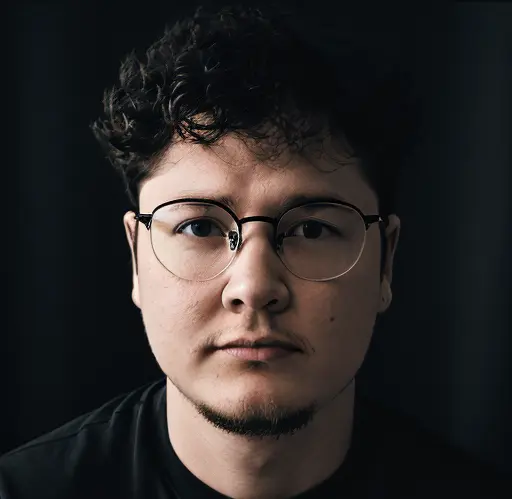
Taylor Rupe
Full-Stack Developer (B.S. Computer Science, B.A. Psychology)
Taylor combines formal training in computer science with a background in human behavior to evaluate complex search, AI, and data-driven topics. His technical review ensures each article reflects current best practices in semantic search, AI systems, and web technology.